

Maxed out on friction-maxxing
On calm tech and static-cling experiences.

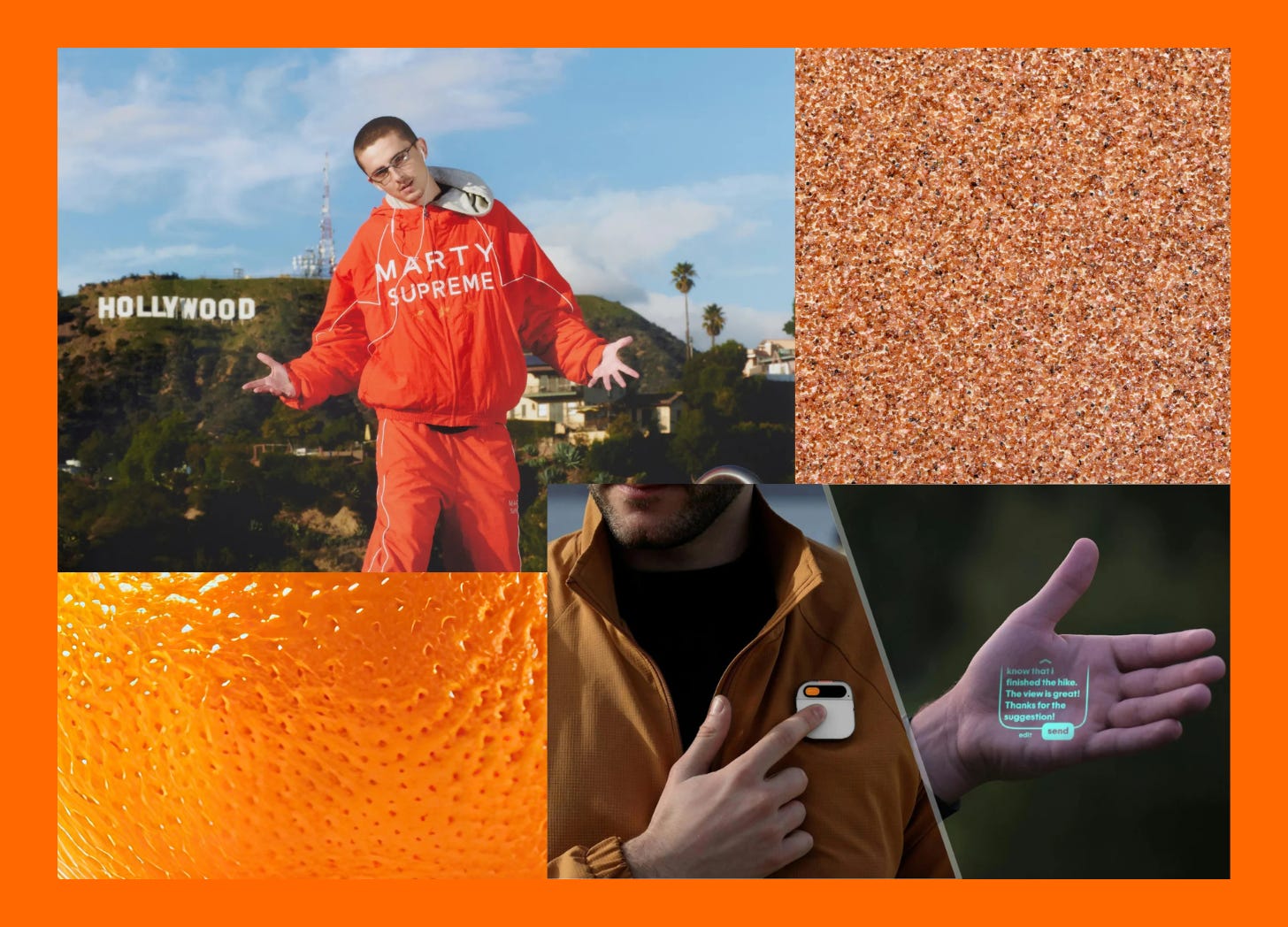
In this piece: friction-maxxing hits peak discourse; A24’s cultural clout; Timothée Chalamet’s orange tracksuit; Robert Pattinson and Zendaya; Jony Ive’s new venture; tracing the arc of calm tech.
We’re barely one month into 2026, and I’m already sick of hearing about the “friction-maxxing” trend.
The idea, as New York Magazine’s The Cut recently put it, is that tech companies have trained us to experience life itself as inconvenient: something to be smoothed over, automated away, escaped from.
“Reading is boring; talking is awkward; moving is tiring; leaving the house is daunting. Thinking is hard. Interacting with strangers is scary. Risking an unexpected reaction from someone isn’t worth it. Speaking at all — overrated. These are all frictions that we can now eliminate, easily, and we do.
The author declares 2026 to be the year of pushing against this by maximizing friction and embracing the analog. Screens and slop are out. IRL is in.
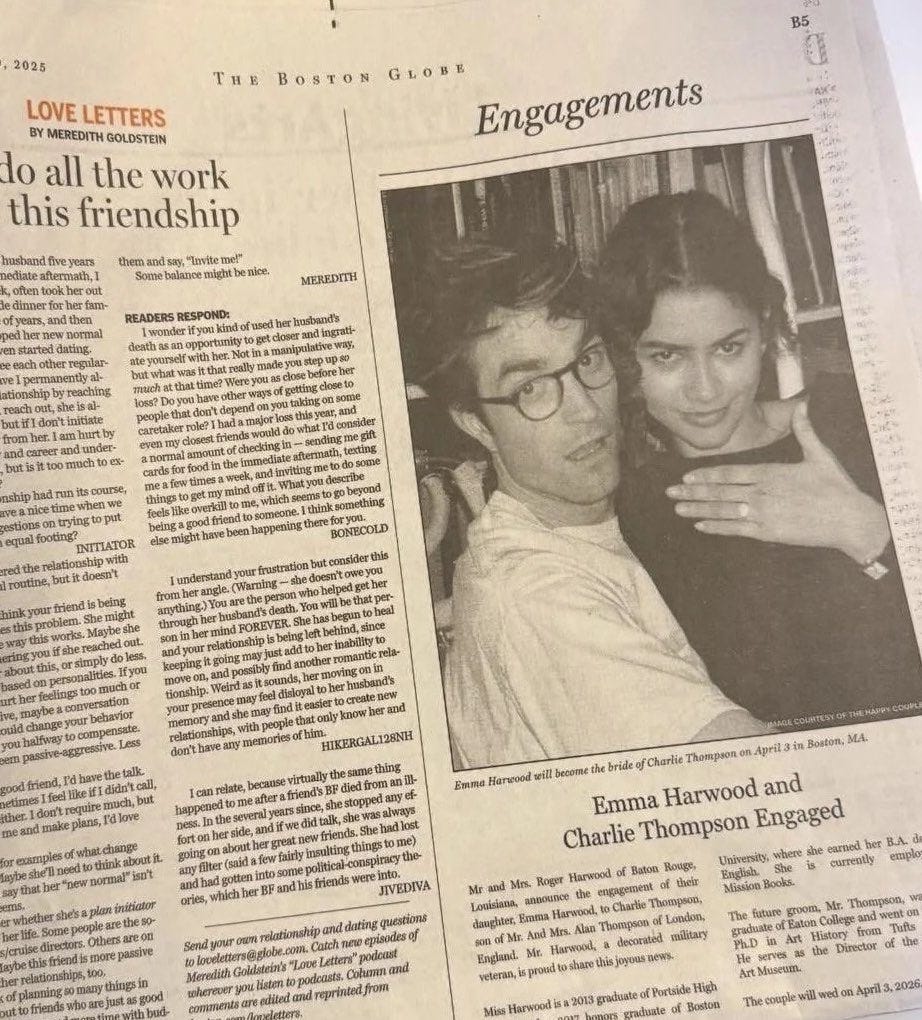
You can see it in the merch strategy for Marty Supreme. You can see it in The Boston Globe’s faux engagement announcement to promote an upcoming film with Robert Pattinson and Zendaya. (Both examples, notably, come from A24, which, on its face, you’d expect to be more about screens. Fair play.)
As a rabid consumer of consumer culture (because why not get meta), I always look at what the “C” in B2C is doing before turning my lens to the B2B and health-tech startup world I live in. I’ve written before about the value of “good friction” when it comes to shaping user behavior, and stand by that line of thinking. But I also think friction-maxxing often overlooks the counterweight.
Going back to A24: Behind the Marty Supreme merch is a Shop account integrated with several different linked payment methods and an optional AAA24 membership, complete with shipping discounts, stickers, and a zine. Packaged and seamless. Behind that wedding-announcement placement is almost certainly a Meltwater dashboard tracking impressions and estimated media value for A24’s marketing team.
We’re maxxing friction in the experience. But those experiences are still delivered through an intricate, invisible web of technology.
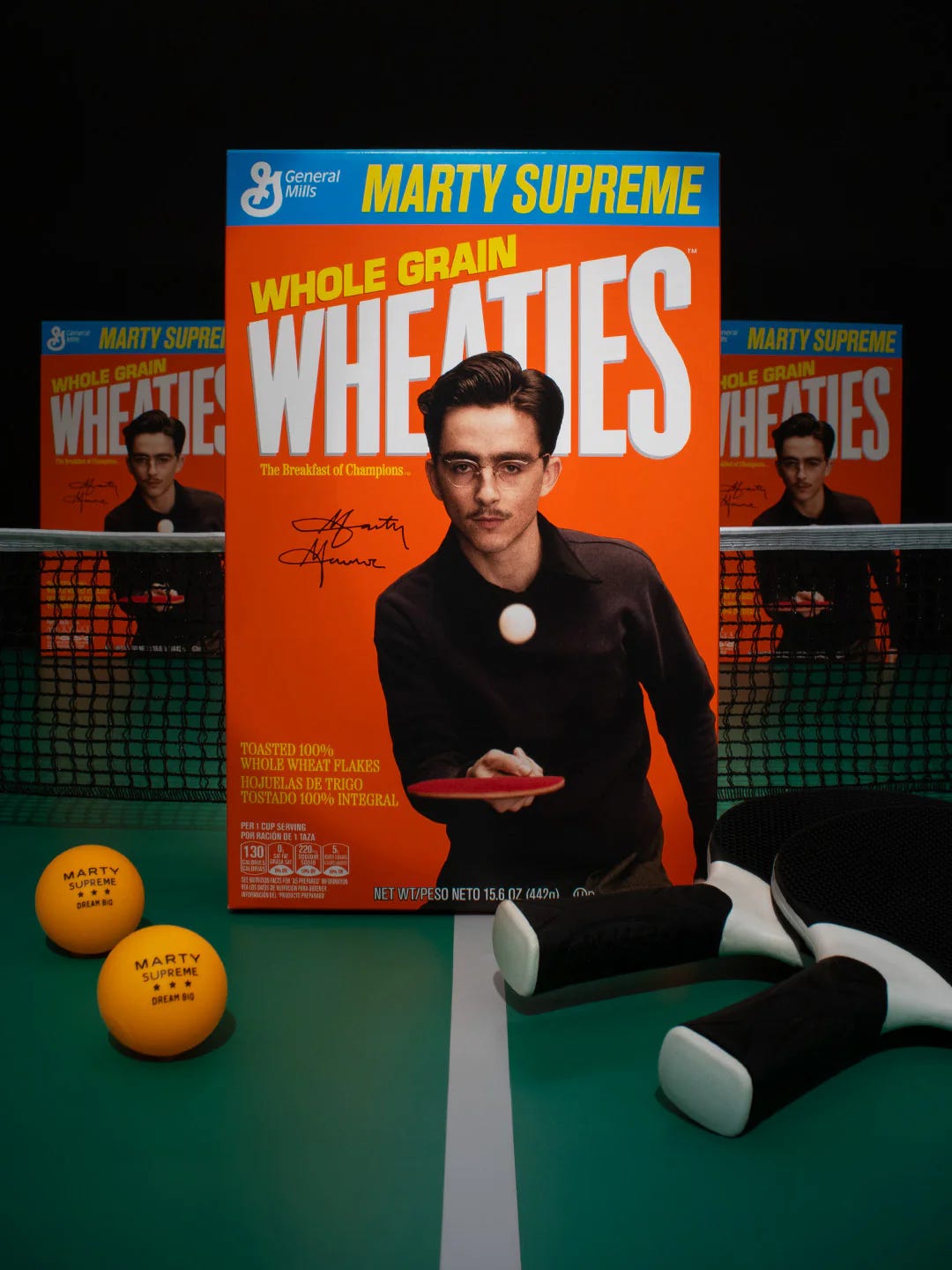
For founders, that’s the opportunity: to build tech that’s frictionless in service of outstanding—even, in the case of the Marty Supreme Wheaties box, outrageous—experiences. To surprise and delight through big gestures, but also through the small, unseen systems that make those gestures possible. It’s why OpenAI and Apple alum Jony Ive are working on a much-talked-about screen-less device (let’s hope it fares better than the Humane AI pin).
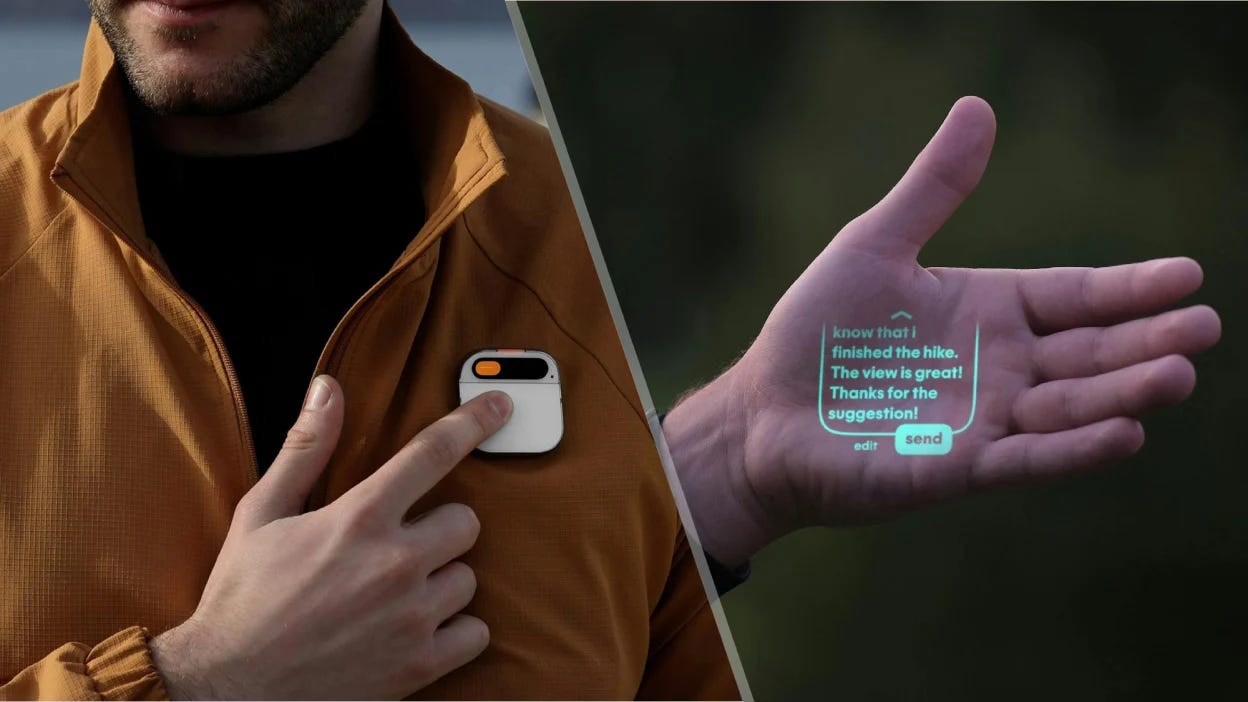
RIP.Pete Flint, a General Partner at the VC firm NFX, recently traced the history of this kind of “invisible” technology back to the earliest search-engine wars—and further still, to Mark Weiser, the researcher often described as Silicon Valley’s philosopher. In 1991, Weiser articulated a vision for what he called “calm technology”: tools that fade into the background instead of constantly demanding our attention.
His premise was simple but radical. Computers shouldn’t be the focus of our lives. They should quietly support them. At their best, they operate like invisible assistants, extending our intuition, working alongside our unconscious, and reducing friction rather than adding it.
Weiser argued that computing was moving through three waves: from centralized mainframes, to personal computers where humans and machines sat awkwardly across from each other, to ubiquitous computing, where technology becomes ambient, embedded, and almost unnoticeable.
Flint notes: “This is still early. Most founders aren’t building this way yet. But the best ones can feel it. They’re designing for capability that expands your unconscious rather than colonizing your consciousness. It’s a philosophy rather than a form factor.”
In other words, friction-maxxing is a “yes, and.”
Yes, we should reintroduce effort, texture, uncertainty, and presence into our lives. Yes, we should resist the instinct to sand down every inconvenient edge. Yes, our kids should learn how to be bored, uncomfortable, and socially awkward without a device stepping in to rescue them.
And: the systems underneath should get quieter, smarter, and more intentional.